
Where cultures meet and become a celebration.
Russafa Carnival: Chronicle of a Neighborhood that Saved the Party
The Historical Refuge (1800 – 1877)
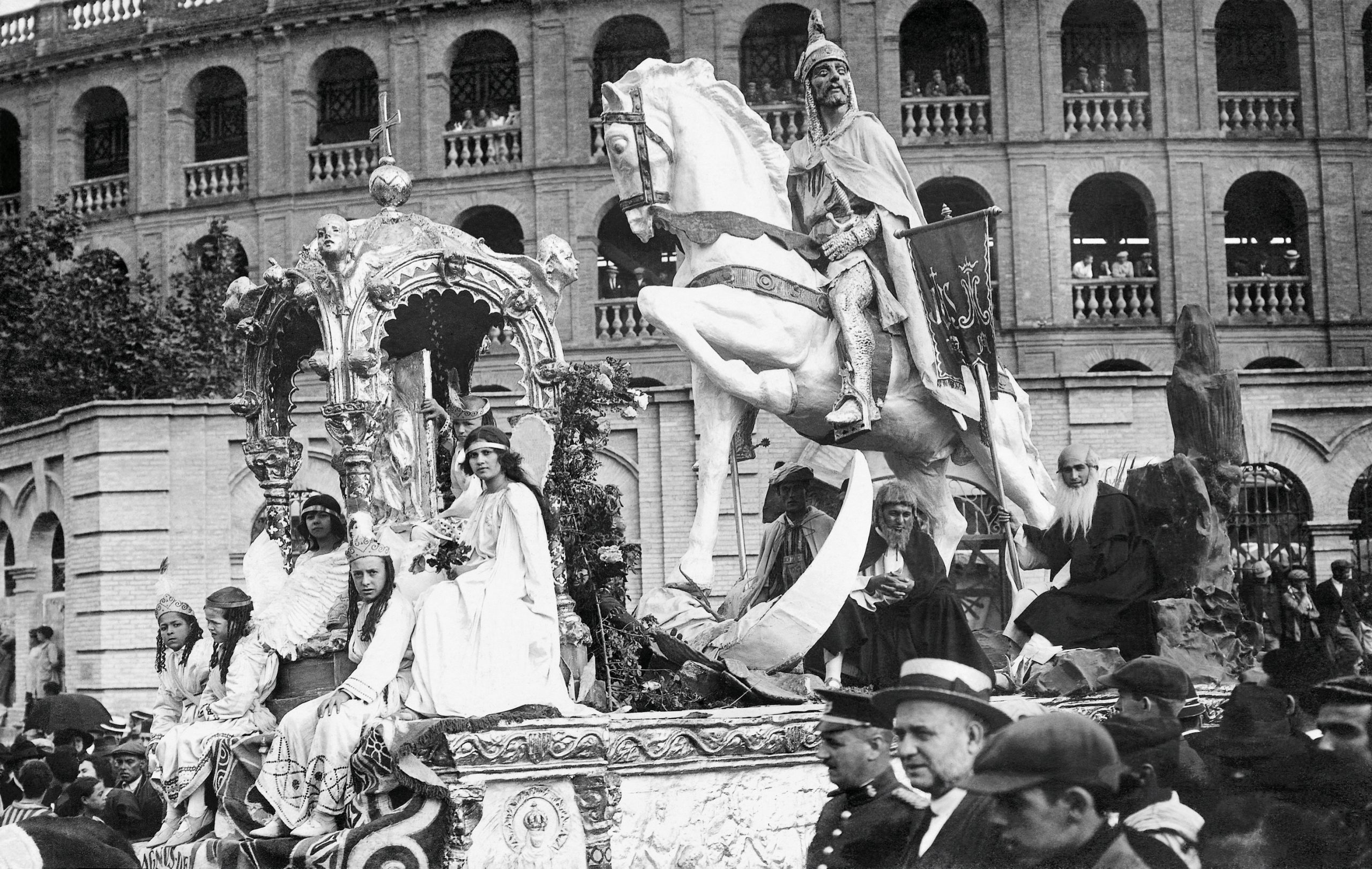
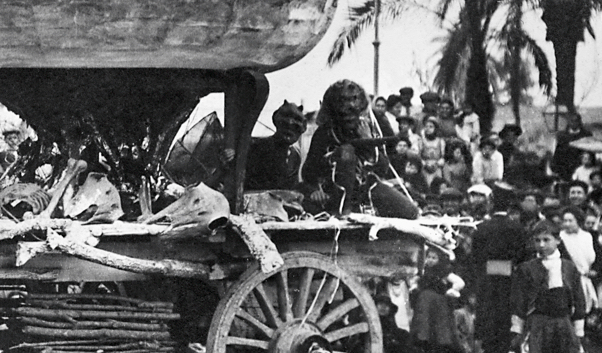
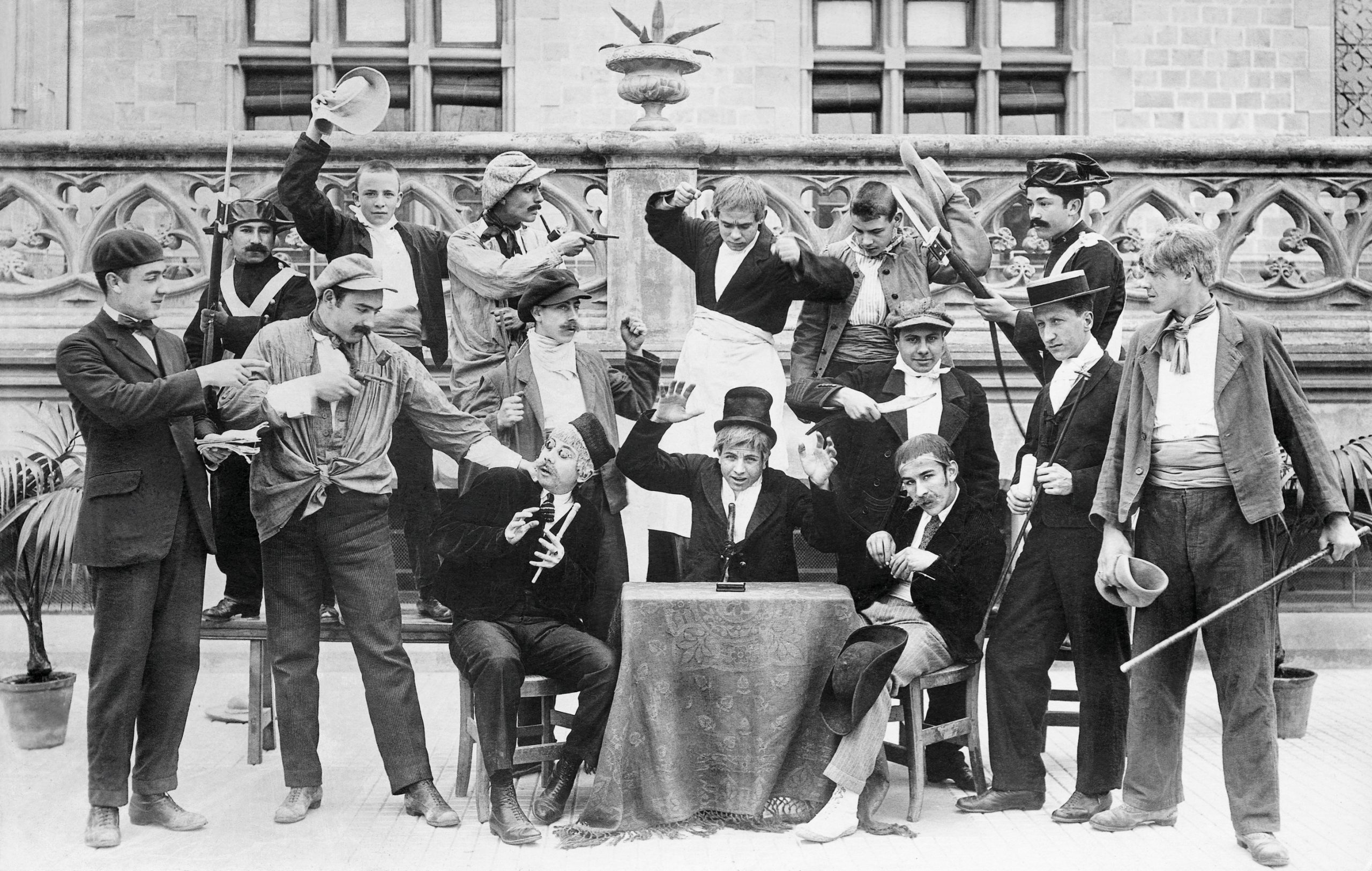
The history of the Russafa Carnival is, above all, a history of independence. During much of the 19th century, Russafa was an autonomous municipality of Valencia (until its annexation in 1877). This administrative separation was key: while within the walls of Valencia the ecclesiastical and royal authorities tightened the prohibitions on the use of masks and criticism of the established order, Russafa remained a territory of freedom. Valencians "crossed the border" to give themselves over to the satire, blasphemy, and revelry that the city center censored.
The Golden Age and the Silence of Postwar
After the annexation, the carnival continued to be a hallmark of the neighborhood, with massive floats and a strong political charge. However, in 1937, in the midst of the Civil War, the government banned carnival celebrations throughout the country. This prohibition was ratified and tightened by the Franco dictatorship through the Order of February 3, 1937, claiming that masks endangered public safety and that the celebration was contrary to morality. For more than seven decades, the carnival in Russafa remained silent, surviving only in the oral memory of its residents.
The Intercultural Rebirth (2011 – Present)
In 2011, the neighborhood movement centered around the platform Russafa CulturaViva decided to revive the festival. It did so with an innovative vision: to unite the 19th-century Valencian tradition with the new reality of the neighborhood. The modern carnival stands out for three pillars:
- Social Claim: The annual proclamation maintains the satirical spirit, denouncing current problems such as real estate speculation and gentrification.
- Round-Trip Folklore: The Muixaranga and the Gegants i Cabuts coexist with the spectacular Andean dances (Caporales, Tinkus, Morenadas) of the Bolivian and Latin American fraternities.
- Neighborhood Art: The event is complemented by Les Balconades, where local artists use the neighborhood's balconies as canvases to express messages of peace and diversity.
Discover the atmosphere, the music, and the cultural diversity that fill the streets of the neighborhood during the carnival.